By Brinklee Zeeman
In today’s world, businesses can no longer rely solely on traditional methods of marketing to survive. Social media has become a critical part of success. For small businesses especially. Social media is not just an option; it is an essential tool for growth and visibility. Many small businesses struggle to attract consistent customers, not because their product or service isn’t valuable, but because they simply aren’t showing up where their audience is already spending time.
Today, that attention lives on platforms like Instagram and TikTok, where users are constantly discovering new brands, engaging with content, and making purchasing decisions. Without a presence on these platforms, businesses risk being overlooked by potential customers who may never even know they exist. Social media has evolved into a powerful way to reach new audiences, build meaningful relationships, showcase products or services, and ultimately turn attention into real revenue. It allows businesses to connect with their audience in a more personal and authentic way, creating trust and loyalty over time.
Whether it’s through eye-catching visuals, engaging videos, or interactive posts, social media gives small businesses the opportunity to compete in ways that were once only possible with large marketing budgets. We all know that owning a small business is stress full if you need more tips go to this blog. Now, let’s dig a little deeper into how social media can truly transform and support the growth of small businesses.

Benefits of Social Media
Social media is a powerful way to connect with potential customers and reach people who may not have discovered your business otherwise. Platforms like Instagram and TikTok give small businesses the opportunity to be seen by a wider audience and stay visible in a competitive market. It allows you to showcase your brand, communicate your values, and highlight your products or services in a way that feels personal and engaging.
Beyond just visibility, social media helps create real connections with your audience. By consistently posting and interacting through comments, messages, and updates, you can build trust and show that your business is active and reliable.
Over time, this consistency helps strengthen customer loyalty and keeps your brand top of mind. Instead of being a one-time interaction, social media turns casual viewers into engaged followers—and eventually into long-term customers who recognize and trust your brand.

Best Platforms for Small Businesses
Choosing the right social media platforms is a crucial step for any small business. Not every platform will produce the same results or attract the same audience. Instead of trying to be everywhere at once, the most effective approach is to focus on where your target audience already spends their time and how they prefer to consume content. This means understanding your ideal customer, their age, interests, habits, and even what type of content they engage with most. For example, Instagram is ideal for visually driven businesses that rely on strong branding, such as clothing brands, food businesses, or lifestyle products, because it allows you to showcase high-quality images, reels, and stories that create a cohesive brand identity. On the other hand, TikTok is extremely powerful for reaching new audiences quickly through short-form video, trends, and viral content, making it a great option for businesses that want to grow brand awareness and connect with a younger, highly engaged audience.
At the same time, Facebook continues to be a valuable platform, especially for local businesses that want to build a sense of community, share updates, and connect with customers through groups, events, and direct interaction. It’s particularly effective for targeting specific geographic areas and maintaining relationships with existing customers. Meanwhile, LinkedIn is better suited for professional services, networking, and B2B (business-to-business) connections, where building credibility and sharing industry knowledge can help attract clients. Each platform serves a different purpose, which is why choosing the right one depends on your specific business goals and audience.
Rather than spreading yourself too thin by trying to manage every platform, small businesses will often see better results by focusing on one or two platforms and using them consistently and strategically. This allows you to create higher-quality content, engage more effectively with your audience, and build a stronger presence over time. As your business grows, you can always expand to additional platforms, but starting with a focused approach makes social media more manageable and far more impactful.

Content Strategy Basics
Having a content strategy is essential for small businesses that want to grow on social media. Without a plan, posting can feel random and inconsistent, which often leads to poor results. A strong strategy starts with understanding your goals, whether that is increasing brand awareness, driving sales, or building engagement. From there, businesses should focus on creating content that fits into a few key categories, such as educational posts, promotional content, behind-the-scenes updates, and engaging or entertaining posts. This helps keep your page balanced and interesting for your audience.
Consistency is also a major part of strategy, as regularly showing up on platforms like Instagram and TikTok builds trust over time and keeps your brand top of mind. When small businesses post with intention instead of randomness, their content becomes more effective and far more likely to turn viewers into customers. Once you begin posting content you start to figure out your target audience. When you figure out your audience you can begin to tailor your content to that audience. That will help boost your engagement and hopefully your sales. For my business, Swirl Shirts it has been a huge benefit to post regularly. It is best if you figure out a schedule and stick to it. When you post content see what type of content is performing the best. Make sure to post more of that content. But do not post too much of the same content. Your viewers will get bored and not engage with it. Check out my insta here.

Common Mistakes
Many small businesses struggle to see results on social media because of a few common mistakes that hold them back. One of the biggest issues is inconsistent posting, when a brand shows up randomly, it becomes difficult to build trust, stay top-of-mind, or maintain audience interest. Pair that with low-quality visuals, such as blurry images or poorly designed graphics, and it can quickly signal a lack of professionalism, even if the product or service itself is great.
Another major challenge is operating without a clear strategy; posting just to “stay active” without set goals, target audiences, or content themes often leads to wasted time and little to no growth.
Many businesses miss opportunities by ignoring engagement, failing to respond to comments, messages, or interactions makes followers feel undervalued and less likely to connect with the brand. Altogether, these issues can limit a business’s ability to grow on social media, making it essential to approach social media with consistency, quality, intention, and genuine interaction. So Be consistent!

How to Create a Simple Monthly Plan
Creating a simple monthly social media plan doesn’t have to be complicated in fact, keeping it straightforward is what makes it work. Start by building a weekly posting structure, posting 3–4 times per week with a mix of content types. Like product features, behind-the-scenes moments, customer testimonials, and engaging reels. From there, focus on content brainstorming, which means setting aside a few hours each month to get lots of ideas down about what to post about. This saves time, reduces stress, and helps maintain consistency.
To make execution even easier, use scheduling tools like Meta Business Suite, Hootsuite, or Later, which allow you to plan, organize, and automatically publish your content throughout the month. By combining a clear weekly structure, brain storiming your content, and using the right tools, small businesses can stay consistent online without feeling overwhelmed.
Tips and Tricks
When it comes to posting on social media, a few simple tips and tricks can make a big difference in how your content performs. First, focus on consistency over perfection. Posting regularly helps build trust and keeps your brand top-of-mind, even if every post isn’t flawless.
Pay attention to what time you post. Sharing content when your audience is most active, use platform insights to guide you. Use strong visuals and clear, easy-to-read captions because they will always outperform cluttered or confusing posts. So keep your design clean and your message focused. Don’t forget to use relevant hashtags to expand your reach.
Always include a call to action, whether it’s asking a question, encouraging comments, or directing followers to your website. It’s also important to engage with your viewers. Replying to comments and messages boosts your visibility and builds stronger relationships with your audience.
Track what works and adjust as you go; social media success comes from testing, learning, and improving over time rather than trying to get everything perfect right away. But don’t forget that your strategy might not always work. You might have to adjust in time due to the algorithm.

When Should You Hire a Social Media Manager
Knowing when to hire a social media manager can be a turning point for a small business, especially as your online presence begins to grow beyond what you can realistically handle on your own. In the early stages, it’s common for business owners to manage their own accounts, but as responsibilities pile up, social media often becomes inconsistent, rushed, or neglected altogether.
If you find yourself struggling to post regularly, running out of content ideas, or feeling overwhelmed by trying to keep up with trends, analytics, and engagement, it may be time to bring in a professional. A social media manager does more than just post, they create a strategy, plan content in advance, ensure your branding is consistent, and actively engage with your audience to build relationships and trust.
Another clear sign is when your business is growing but your social media results are not; if your follower count, engagement, or sales aren’t improving despite your efforts, a manager can step in with data-driven insights and proven techniques to help you reach your goals.
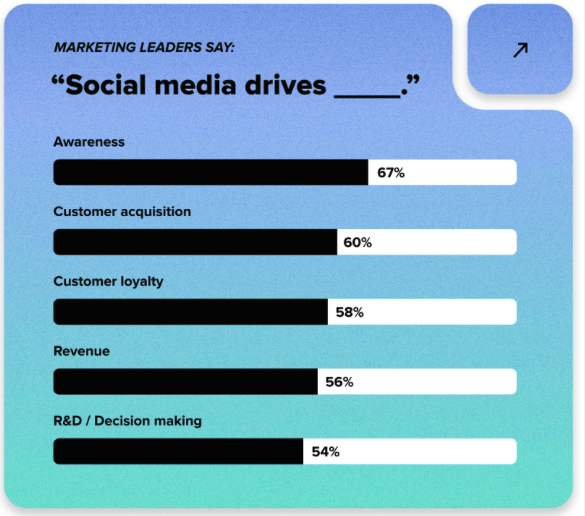
Hiring a professional also becomes important when you want to elevate the quality of your content, such as improving visuals, writing more compelling captions, and creating cohesive campaigns that actually convert followers into customers. Don’t be afraid to try it.
Additionally, if you’re launching new products, running promotions, or expanding your brand, having someone dedicated to managing and executing your social media can ensure those efforts are seen and supported effectively online. While hiring a social media manager is an investment, it often pays off by freeing up your time so you can focus on other areas of your business, while also increasing your brand’s visibility and credibility.
Ultimately, the right time to hire one is when social media starts to feel more like a burden than an opportunity, and when you recognize that expert guidance could help take your business to the next level. Social media can be time consuming so hiring someone to manage your social media is going to save you a lot of time. It’s going to give you time so that you can build your brand and not have to worry about what you’re going to have to juggle every month. For me hiring a social media manager is a no brainer trying to run swirl shirts and social media may become too much in the future.

In conclusion
In the end, social media is no longer just an optional marketing tool, it’s a necessary part of growing and sustaining a small business in a digital world. By staying consistent with your posting, creating high-quality and engaging content, developing a clear strategy, and actively connecting with your audience, you can turn your social platforms into powerful business drivers.
Even small improvements, like planning your content ahead of time or adding strong calls to action, can make a noticeable difference in your results. As your business grows, recognizing when to seek additional help, like hiring a social media manager, can take your efforts to the next level. The key is to stay intentional, adaptable, and focused on your audience. When used effectively, social media doesn’t just increase visibility. It builds trust, strengthens your brand, and creates real opportunities for long-term success. If you ever need inspiration just look at swirl shirts website and then contact me if you ever need any help.